
When people finally come to us, we find that they have not been ignoring their debt; they have been struggling to keep up with it. With inflation driving up everyday costs and interest rates remaining high, it has gotten harder to stay ahead, even for people who were managing not that long ago. Minimum payments do not move the balance much, and over time, debt can grow faster than expected.
The truth is, there is no quick fix for credit card debt, but there is a way to get it under control. What matters is having a clear, realistic, structured plan built around your total debt amount. At ACCC, our counselors are trained to help you build a consistent strategy that holds up month after month.
Key Takeaways
- The first step to becoming debt-free is knowing how much money you owe in total and what your interest rates, credit available, and minimum payments are.
- Making only minimum payments can keep you in credit card debt for years due to interest accumulation.
- Most people become debt-free in 3 to 5 years with a structured repayment plan.
- A nonprofit credit counselor can help you create a realistic budget, simplify your payments, and create a clear timeline to become debt-free.
Step-by-Step Guide to Get Out of Debt
ACCC’s step-by-step approach is based on 30-plus years of helping people get out of debt safely and transparently. If you are looking for a practical way to start making progress, this is where to begin and how we train our counselors to help you.
Step 1: Understand exactly how much you owe
Gather up all your statements and figure out exactly how much you owe. It can be overwhelming seeing the numbers, but remember, this is the first step you will take towards freedom from overwhelming debt.
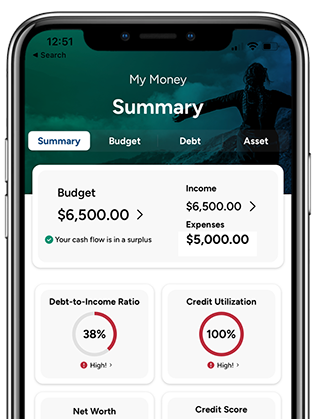
List each creditor, outstanding balance, interest rate, and minimum monthly payment on a spreadsheet or in a financial app for easy access and updates. We have a free app called CreditU, which can help. In ACCC’s counseling session, our counselor will go through this with you.
Step 2: Stop the bleeding (What to do immediately)
Stop using your credit cards and adding to the balance.
- Pause using credit cards for non-essential spending.
- Shift to cash or debit for daily expenses.
- Avoid “just this once” purchases that add up quickly.
Keep making your minimum payments-stay current.
- Make all minimum payments on time.
- Set up autopay if possible.
Step 3: Choose the right strategy (Not all options work)
There are many options under the umbrella of debt repayment. It is important for you to do your research. Our certified credit counselors will take you through all the options, so you understand what we do and what other options are available. Including the pros and cons of each. If we cannot help you, we will not force you into a debt management program.
1. Avalanche Method vs Snowball
The avalanche method is paying down your highest-interest debts first while making minimum payments on the others.
This method can often be done on your own without the help of a non-profit agency or for-profit company. The avalanche method can save you money on interest over time.
With the snowball method, you pay down your low-interest debt first to gain momentum and a psychological boost. They both work equally well it just depends on what motivates you.
2. Consolidation loans
A consolidation loan combines multiple debts into one single loan. While debt consolidation can save you money through lower interest rates, it is essential to be mindful of potential fees associated with the loan. Some consolidation loans come with origination fees, balance transfer fees, or early repayment penalties.
There are multiple companies that offer debt consolidation loans. Their ads often look like debt management agency ads. They use the same language to describe their service. Lower your monthly payments, save money on interest, and get out of debt faster, but many times, consumers do not even know if the company they are talking to is a lender.
Experts at American Consumer Credit Counseling state, “We often have consumers come to us with consolidation loan debt who have also run up the credit cards they originally paid off with the consolidation loan. We do not recommend using debt to pay off debt. It is too easy to do it all over again.”
3. Balance transfers
According to Brianna McGurran, Experian, “Balance transfer credit cards allow you to pay no interest on your balance for a period of time, giving you the opportunity to get a break from high rates and more efficiently tackle your debt.”
But be careful, balance transfers can come with drawbacks. The balance transfer fee is typically a percentage of the amount you are transferring. This fee can add up, especially if you are transferring a large balance. Transferring balances might also lead to the temptation of accruing more debt if not managed carefully.
4. Debt Settlement
Now these programs typically negotiate with creditors to accept a reduced debt amount as a full payment, but this process can be lengthy and have complications. Creditors may or may not agree to settle, and in the meantime, your accounts usually remain delinquent because you are not paying them, which damages your credit.
5. Debt Management Plans (DMP)
A Debt Management Plan is a structured repayment program designed to help individuals consolidate and pay off debt.
This is the program we offer at American Consumer Credit Counseling, a DMP can simplify your financial obligations by combining your debts into one manageable and affordable monthly payment, lower your interest rates and in the long run build your credit score. It takes on average 24-48 months. It is not a quick fix, but we believe it is the safest and most transparent way to pay off your credit card debt and build good financial habits for the future.
Many of our consumers can achieve life milestones while still in the program. Our client, Tabitha, started the program with a credit score of 635 and quickly went to 715 while still making monthly payments on the DMP. The difference in credit score in this case was enough to make Tabitha eligible for a home loan.
Step 4: When a Debt Management Plan makes sense
If you are struggling with high-interest debt and need a structured repayment, a debt management plan could be right for you. A DMP makes sense to you if you want a clear, manageable, and affordable payment plan. It offers a way to consolidate your debts into one monthly payment. This approach can not only simplify your financial obligations, but it can even reduce financial stress and help you pay off your debts faster.
Benefits of a Debt Management Plan
- Lower Interest Rates: Through the debt management plan, we can lower your credit card interest rates, saving you money and allowing more of your payment to go towards the principal balance.
- Single Monthly Payment: Make one payment to the credit counseling agency, which then distributes the funds to your creditors. This simplifies your budgeting and ensures timely payments.
- Debt-Free Timeline: A DMP typically outlines a clear timeline for becoming debt-free, often within 3 to 5 years, helping you see the light at the end of the tunnel.
- Credit Score Improvement: As clients make consistent payments and reduce balances, we have seen their credit scores improve.
- Professional Guidance: Access to certified credit counselors provides ongoing support and financial education, empowers you to make informed decisions with confidence, and prevents future debt.
Step 5: What most people get wrong about paying off debt
In my role, I have encountered people who have had many misconceptions about the best ways to pay off debt. No one teaches this in school, and the messages on social media and online can be confusing. We understand that, and it is part of the training all our counselors go through. We are judgment-free at ACCC.
Here are the top six misconceptions we see at ACCC:
- I am fine, I am making my minimum payments.
- I do not need a clear debt payment plan.
- I do not need an emergency fund.
- I do not need a budget.
- I know all the debt relief options available to me.
- I can use a consolidation loan/HELOC or other loan to pay off my credit card debt.
Understanding and addressing these common misconceptions is crucial for anyone striving for financial freedom. Each one plays a role in being financially secure.
Step 6: A Realistic timeline to become debt-free
Our clients ask us how long it will take to become debt-free, and the truth is it depends on what method of debt repayment you use, how much you owe, your interest rates, and how much you can afford to pay each month, among other things. If you are only making minimum payments, it can take 10-20 years to pay off credit card debt, and that is if you stop putting new charges on your credit cards.
With a structured repayment plan like a debt management plan, many people are debt-free within 3-5 years.
What is it like working with American Consumer Credit Counseling
At ACCC, we have been doing this every day since 1991. We are good at helping people become financially stable. In the words of our credit counselor Levon, “We can give sincere help when clients feel lost and hopeless financially. We are here to help. You cannot do this job, without having a soul and a heart. You cannot just go in there and be a numbers cruncher.”
Our mission is to help as many people as possible become debt-free and live a better life. We understand the toll trying to manage credit card debt can take on you and your family.
What to Do Next to Become Debt-Free
Eliminating your credit card debt does not happen overnight, but it does start with a clear, consistent plan. Begin by understanding where you are, getting organized, and building a realistic plan. Focus on paying more than the minimum whenever possible and choose a structured method that will help you stay on track.
If you are feeling overwhelmed, contact us, and we will match you with a certified counselor who can help you create your plan. What I see most is people wait too long to ask for help, but are so relieved after they do.
Frequently Asked Questions
Q: What is the fastest way to pay off debt?
A: While there’s no magic bullet for how to get out of debt fast, a debt management program from ACCC can help with getting out of credit card debt more quickly
Q: Does paying minimums hurt me?
A: Paying minimum payments keeps your account current but also stretches your repayment timelines into decades. For example, $10,000 in credit card debt at 20% interest with minimum payments could take more than 25 years to pay off, costing double the original balance. It is best to pay off the balance each month if possible.
Q: Can I negotiate credit card debt?
A: Consumers can try to negotiate interest rates, finance charges, late fees and over the limit fees on credit cards but it is not easy and it can be time consuming to do on your own.
If you’re struggling to pay off debt, ACCC can help. Schedule a free credit counseling session with us today.